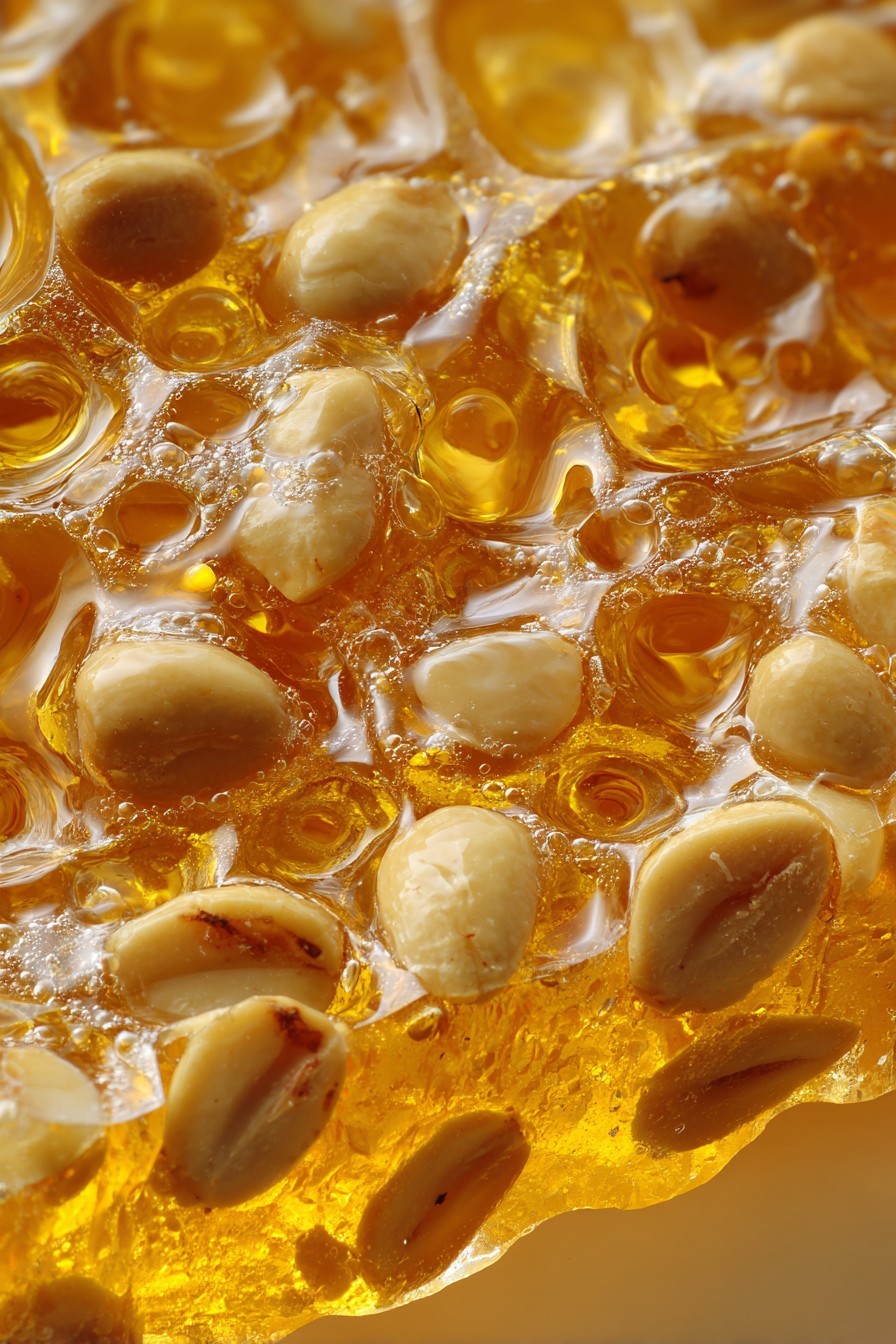
Unlock the Secret to Perfect Peanut Brittle: Crunchy, Airy, and Irresistible
There's a special kind of magic in homemade peanut brittle. That delightful snap as you break off a piece, the satisfying crunch with every bite, followed by the sweet and salty melody that dances on your palate. It’s a timeless confection, evoking nostalgia and delighting taste buds of all ages. While the thought of making candy at home might seem daunting, achieving that ideal crunchy, airy texture is surprisingly simple with the right easy old-fashioned peanut brittle recipe and a few expert tips. Get ready to master the art of this classic treat, perfect for holiday gifts or a personal indulgence! This comprehensive guide will walk you through every step, from understanding the crucial role of each ingredient to mastering the precise techniques that ensure your peanut brittle is nothing short of perfection. Say goodbye to sticky, grainy, or overly hard brittle, and hello to light, crispy, and utterly delicious homemade candy.The Science Behind Perfect Peanut Brittle: Ingredients & Their Roles
Every ingredient in a *peanut brittle recipe* plays a vital role in achieving that signature texture and flavor. Understanding their function is key to consistent success.- White Granulated Sugar: The foundation of our candy, providing sweetness and the necessary structure when caramelized.
- Light Corn Syrup: This unsung hero is crucial for preventing sugar crystallization, which can lead to grainy brittle. It ensures a smooth, glossy, and perfectly creamy texture by inhibiting the formation of large sugar crystals.
- Water: Helps dissolve the sugar evenly at the initial stage, allowing for a consistent syrup formation before it boils away.
- Salt: A small pinch dramatically enhances the overall flavor profile, balancing the intense sweetness and bringing out the nutty notes of the peanuts. If you opt for salted butter later, you might adjust or omit this initial salt.
- Unsalted Butter: Adds a decadent richness and a lovely buttery flavor to the brittle. It also contributes to the candy's gloss and helps prevent sticking. Using unsalted butter gives you precise control over the salt content.
- Peanuts: The star of the show! While you can use roasted, many enthusiasts, like culinary producer Nicole McLaughlin, prefer raw peanuts (with or without skins) for a deeper, richer flavor that develops as they toast in the hot candy. This allows the peanuts to slowly roast within the molten sugar, imparting an unparalleled depth.
- Baking Soda: The absolute secret weapon for an *airy* and *brittle* texture. When added to the hot syrup, baking soda rapidly reacts with the acid in the corn syrup (and heat), releasing carbon dioxide gas. These tiny gas bubbles get trapped within the cooling candy, creating a porous, delicate structure that shatters beautifully, making it truly "brittle" rather than rock-hard. This is the magic touch for light, tender brittle!
Essential Tools and Preparation: Setting Yourself Up for Success
Making candy requires precision and quick action, so having everything ready before you start is non-negotiable. This concept, known as "mise en place," is echoed by seasoned candy makers for a reason – there's simply no time for "dilly-dallying" once the cooking begins.Key Equipment:
- Heavy-Bottomed Saucepan: A sturdy, heavy pan (at least 3-4 quarts) distributes heat evenly, preventing scorching.
- Candy Thermometer: Absolutely indispensable! A good candy thermometer is your best friend for hitting the precise temperature (300°F / 149°C for "hard crack" stage) required for perfect crunch. Guessing can lead to soft or burnt brittle. Ensure it's calibrated and clips securely to your pan without touching the bottom.
- Large Baking Sheet: You'll need at least one, preferably two, to quickly spread your hot brittle. Line it generously with a silicone baking mat or parchment paper, and lightly grease either option for extra insurance. A thin, even spread is crucial for cooling properly.
- Wooden Spoon or Heat-Proof Spatula: For stirring.
- Measuring Cups and Spoons: Precisely measured ingredients are critical in candy making.
The Art of Mise en Place:
Before you even turn on the stove, measure out *all* your ingredients into separate bowls. Have your baking sheet prepared and ready directly next to your stovetop. This preparation minimizes stress and ensures you can react quickly during the critical stages of the cooking process.Mastering the Method: Step-by-Step to Crunchy Perfection
With your ingredients prepped and tools at hand, you're ready to create the best peanut brittle of your life. Follow these steps meticulously for optimal results.- Syrup Foundation: In your heavy-bottomed saucepan, combine the white sugar, light corn syrup, and water. Stir gently over medium heat until the sugar completely dissolves. This initial stirring is crucial to prevent crystallization. Once dissolved, stop stirring and bring the mixture to a rolling boil.
- Peanut Infusion & Temperature Ascent: Carefully stir in your peanuts. At this point, attach your candy thermometer. Continue cooking, stirring occasionally to prevent the peanuts from sticking to the bottom, until the mixture reaches exactly 300°F (149°C). This is the "hard crack" stage, where the sugar content is concentrated enough to become solid and brittle when cooled. Patience here is key; it might take 15-20 minutes or more.
- The Magic Moment: As soon as the thermometer hits 300°F, immediately remove the pan from the heat. Promptly stir in the unsalted butter until fully melted and incorporated. Then, quickly add the baking soda and stir vigorously. You'll observe a dramatic transformation: the mixture will foam up, lighten in color, and expand. This effervescent reaction, thanks to the baking soda, is precisely what creates those desirable air bubbles for an airy, tender texture.
- Pour and Spread: Without delay, pour the hot, foamy brittle mixture onto your prepared baking sheet. Using the back of your greased wooden spoon or spatula, quickly spread the brittle into a thin, even rectangle. The thinner you can spread it, the more delicate and crunchy your brittle will be. Work quickly, as the brittle will begin to set as it cools.
- Cool and Break: Allow the peanut brittle to cool completely and undisturbed at room temperature. This can take anywhere from 30 minutes to an hour, depending on your environment. Once entirely firm and cool to the touch, use your hands to break it into irregular, bite-sized pieces. A kitchen mallet can also be fun for larger batches!
No Candy Thermometer? If you find yourself without this essential tool, you can try the cold water test: when you suspect the syrup is nearing completion, drop a small amount of the boiling syrup into a bowl of very cold water. If it forms hard, brittle threads that snap easily, it's ready. If it's still soft or bendable, continue cooking.
Tips for That Signature Airy Texture and Troubleshooting Common Issues
Achieving the perfect texture is what truly elevates homemade peanut brittle. Here are some insights and common fixes.The Secret to Airiness:
As Nicole McLaughlin wisely points out, seeing "little pockets of bubbles around the edges" when your brittle is poured indicates a job well done. This is the direct result of the baking soda’s reaction, trapping air within the candy matrix. Don't skip or skimp on the baking soda, and ensure it's fresh for optimal leavening. Stir it in quickly but thoroughly to distribute those crucial air bubbles before the candy sets.Choosing Your Peanuts:
While roasted peanuts offer convenience, opting for raw peanuts (especially with their skins on) allows them to toast gently within the hot sugar syrup, developing a deeper, more complex roasted flavor that complements the sweet caramelization. This is a subtle yet impactful choice for flavor enthusiasts.Common Troubleshooting:
- Grainy Brittle: This often happens if the sugar wasn't fully dissolved before boiling, or if you stirred the mixture too much once it started boiling, causing sugar crystals to form. The corn syrup is your primary defense against this.
- Soft or Chewy Brittle: The most common culprit here is not reaching the "hard crack" stage (300°F). If the temperature is too low, there's too much moisture in the candy, preventing it from becoming truly crisp. Always trust your candy thermometer!
- Burnt Brittle: Cooking the syrup past 300°F or at too high a heat can quickly lead to a burnt, bitter taste. Remove from heat immediately once the target temperature is reached. A heavy-bottomed pan helps prevent hot spots.
